Crooked teeth and bite problems affect more than appearance. They can make brushing difficult, contribute to uneven tooth wear, cause jaw discomfort, and increase the risk of cavities and gum disease. An orthodontic specialist consultation helps identify alignment issues early and provides treatment options that improve both oral function and smile aesthetics.
Orthodontic care is no longer limited to teenagers. Modern treatment options allow patients of almost every age to benefit from straighter teeth and healthier bites.
What Does an Orthodontist Do?
An orthodontic specialist diagnoses and treats problems related to tooth alignment and jaw positioning.
Treatment may involve:
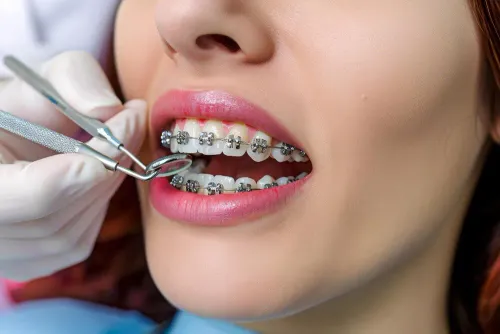
- Braces
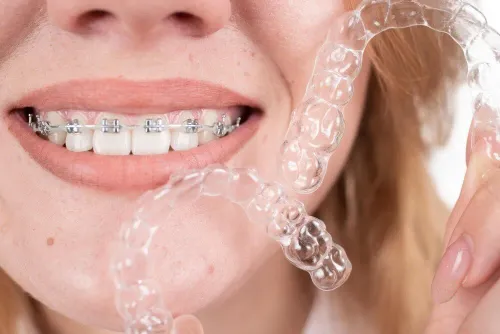
- Clear aligners
- Space maintainers
- Retainers
- Growth-modifying appliances for children
The objective is to create a balanced bite while improving long-term oral health.
Signs You May Need an Orthodontic Consultation
You should consider an evaluation if you notice:
- Crooked or crowded teeth
- Gaps between teeth
- Difficulty biting or chewing
- Upper and lower teeth not meeting properly
- Frequent cheek biting
- Jaw pain or clicking
- Speech difficulties caused by tooth position
Early assessment often reduces the complexity of future treatment.
Why Early Evaluation Is Important for Children
Dental professionals often recommend orthodontic evaluation during childhood, even if treatment is not immediately required.
Early assessment helps detect:
- Jaw growth issues
- Bite abnormalities
- Thumb-sucking effects
- Crowding
- Delayed tooth eruption
Monitoring growth allows intervention at the most appropriate stage.
Can Adults Benefit from Orthodontics?
Yes.
Many adults choose orthodontic treatment because they want to:
- Improve smile appearance
- Correct bite problems
- Make cleaning easier
- Prepare for restorative dental work
- Reduce uneven tooth wear
Modern clear aligners also provide a discreet treatment option for working professionals.
What Happens During the Consultation?
A typical orthodontic assessment includes:
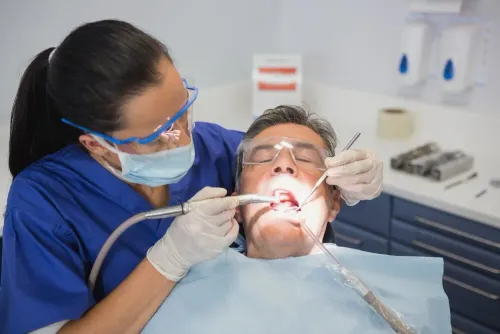
- Oral examination
- Bite analysis
- Digital photographs
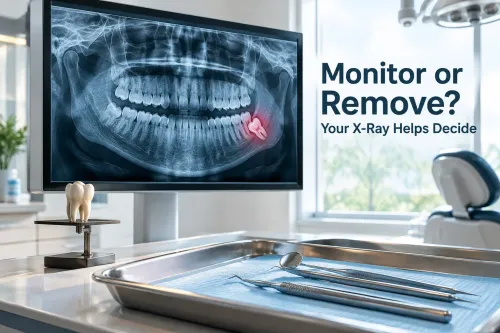
- Dental X-rays if necessary
- Discussion of treatment options
- Estimated treatment duration
Not everyone requires braces immediately. Some patients only need periodic observation.
Types of Orthodontic Treatment
Depending on individual needs, treatment may include:
- Metal braces
- Ceramic braces
- Self-ligating braces
- Clear aligners
- Retainers after treatment
Each option offers specific advantages based on the patient's age, lifestyle, and dental condition.
Benefits of Proper Tooth Alignment
Straight teeth contribute to:
- Easier cleaning
- Better chewing efficiency
- Reduced risk of gum disease
- Improved speech in some cases
- Balanced bite
- Greater confidence while smiling
Orthodontic treatment supports both cosmetic and functional improvements.
Frequently Asked Questions
What is the best age for orthodontic treatment?
Children often benefit from early evaluation, but treatment is effective for many adults as well.
How long does orthodontic treatment take?
Treatment duration varies depending on the complexity of tooth movement.
Are clear aligners suitable for everyone?
Not all alignment problems can be corrected with aligners. A specialist evaluation determines the most appropriate option.
Will braces affect daily activities?
Patients usually adapt quickly and can continue normal work, school, and routine activities.
Families and professionals in Hinjewadi increasingly seek orthodontic care to improve long-term dental health as well as smile aesthetics. Deshmukh Dental Clinic provides comprehensive orthodontic assessments that help patients understand their treatment options and choose an approach suited to their oral health, lifestyle, and future goals.
Keywords