A brighter smile can improve the appearance of otherwise healthy teeth, but whitening should not begin with the selection of a shade. It should begin with an examination. Professional Tooth Whitening Services are most effective when the cause of discolouration is understood and existing dental problems are managed beforehand.
Patients in Hinjewadi considering whitening can use the following indicators to understand whether they may be suitable candidates.
The Teeth Are Healthy but Stained
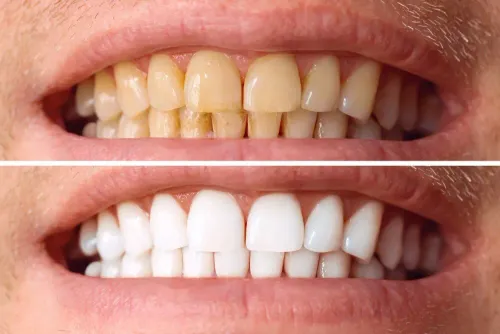
Whitening is commonly considered when natural teeth are healthy but have become darker because of ageing, tea, coffee, tobacco or coloured food.
Surface deposits may first need professional cleaning. Once plaque, tartar and external stains are removed, the dentist can assess the underlying tooth shade more accurately.
The Gums Are Free from Active Inflammation
Bleaching products can irritate unhealthy or exposed gum tissues. Signs that require evaluation before whitening include:
- Bleeding while brushing
- Red or swollen gums
- Gum recession
- Persistent bad breath
- Loose teeth
- Pain while chewing
Treating gum inflammation first makes whitening safer and helps improve overall oral health.
There Are No Untreated Cavities
Whitening material should not enter a cavity, cracked tooth or defective filling. Doing so may cause discomfort and aggravate sensitivity.
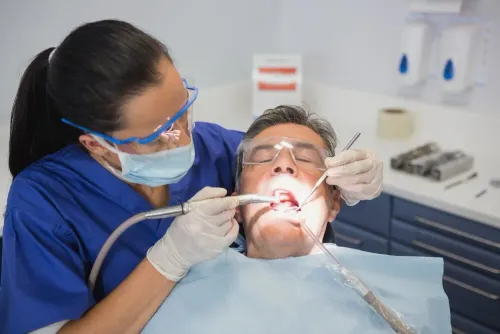
A pre-whitening examination allows the dentist to identify decay, leaking restorations and enamel defects. Necessary treatment can then be completed before the cosmetic procedure.
Expectations Are Realistic
Professional whitening can lighten natural teeth, but it cannot guarantee a specific celebrity-style shade. Results depend on the original colour, enamel thickness, stain type and previous dental treatment.
Suitable candidates understand that:
- Individual results vary
- Some stains respond better than others
- Restorations do not whiten
- Maintenance may be required
- Temporary sensitivity can occur
- Whitening cannot change tooth shape or alignment
A natural, balanced result is usually more appropriate than an excessively white appearance.
Existing Restorations Have Been Considered
Crowns, veneers, bridges and fillings retain their existing colour. If these restorations are visible when smiling, whitening natural teeth may create a mismatch.
The dentist may recommend completing whitening before replacing an old front-tooth restoration. This allows the final restoration to be matched to the improved shade after the colour has stabilised.
Sensitivity Can Be Managed
People with mild sensitivity may still be candidates, but the whitening plan may need modification. The dentist can recommend desensitising toothpaste, lower product concentration, shorter sessions or an alternative schedule.
Severe unexplained sensitivity should be investigated before any bleaching treatment. It may indicate decay, a cracked tooth, gum recession or another condition requiring attention.
The Discolouration Is Correctly Diagnosed
Yellowish teeth often respond differently from grey, brown or patchy discolouration. A single dark tooth also needs separate evaluation, particularly if there has been an injury or previous root canal procedure.
Depending on the diagnosis, the dentist may discuss:
- External bleaching
- Internal whitening for a non-vital tooth
- Cosmetic bonding
- Veneers
- Replacement of stained restorations
- Enamel microabrasion
- A combination of treatments
This diagnostic stage prevents patients from spending time on a whitening method that cannot address the actual problem.
Oral Care Habits Support the Result
Whitening results usually last longer when the patient maintains good oral hygiene and limits frequent exposure to staining substances.
Helpful habits include brushing twice daily, cleaning between the teeth, avoiding tobacco and attending dental cleanings according to individual need. Drinking water after tea or coffee may also reduce prolonged stain exposure.
Deshmukh Dental Clinic offers Professional Tooth Whitening Services after examining the teeth, gums and visible restorations. This approach is useful for adults in Hinjewadi and the wider Pune region who want to understand both the possibilities and limitations of whitening.
A consultation does not automatically mean treatment will be performed immediately. Its purpose is to confirm that whitening is appropriate, identify anything that must be treated first and develop a plan that protects the patient’s oral health.
Keywords