Deciding whether a wisdom tooth needs removal involves more than seeing an X-ray or reacting to pain. You will learn how the consultation, preparation, extraction, and recovery fit together, including which symptoms require prompt review after surgery.
Key takeaways
- Share medicines, allergies, pregnancy, smoking, diabetes, and anaesthetic history.
- Arrange transport and follow fasting instructions if sedation or general anaesthesia is planned.
- Expect gauze pressure, swelling, and a soft-food diet during early recovery.
- Contact your dentist promptly for worsening swelling, fever, breathing trouble, or persistent bleeding.
How the consultation determines whether removal is needed
A wisdom tooth removal consultation starts with your symptoms and health history, not an automatic decision to operate. Tell the dentist about pain, swelling, food trapping, bad taste, current medicines, allergies, previous anaesthetic reactions, pregnancy status, smoking, diabetes, immune suppression, and blood thinners.
Do not stop anticoagulants or antiplatelet medicines without instructions from the prescribing clinician and dental surgeon.
The dentist examines your mouth, jaw opening, gum condition, nearby second molar, tooth position and cleanability. The reasons for removal can include:
- Recurrent pericoronitis, abscess or gum disease
- Decay in the wisdom tooth or second molar
- Food trapping, cystic change, orthodontic planning or damage to a nearby tooth
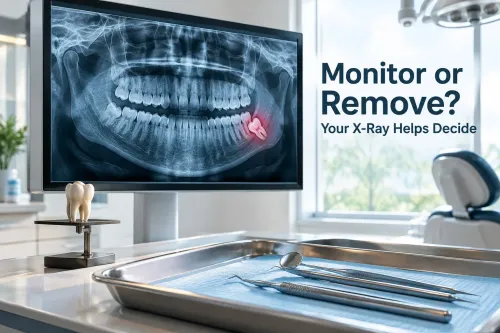
A symptom-free, disease-free tooth that you can keep clean may be monitored instead. Routine removal of a pathology-free impacted tooth is not automatically necessary.
| Option | What it means | When it applies |
|---|---|---|
| Monitoring | Review the tooth and control risk factors | It is cleanable, symptom-free and disease-free |
| Coronectomy | Remove the crown and retain the roots | A selected lower tooth has roots close to the inferior alveolar nerve; retained roots can later migrate or become infected |
| Simple extraction | Loosen and remove the erupted tooth with elevators and forceps | The tooth is accessible and has a favourable position |
| Surgical extraction | Open the gum, remove a little bone and section the tooth | Impaction, depth or root shape makes simple removal unsuitable |
A panoramic or periapical X-ray usually shows angulation, depth and roots. CBCT adds three-dimensional detail and is reserved for cases where nerve proximity or another structure could change the plan.
What to arrange before the appointment
Arrange the practical details before the wisdom tooth extraction process, then follow the treating service’s written instructions rather than guessing.
| Anaesthetic | Eating and drinking |
|---|---|
| Local anaesthetic | Follow the service’s instructions; fasting is not automatically required |
| Inhalation or intravenous sedation | Follow the specific fasting times provided by the service |
| General anaesthesia | Follow the strict fasting schedule in the anaesthetic instructions |
Tell both the dental surgeon and the clinician who prescribes your medicine about anticoagulants, antiplatelet drugs, diabetes, immune suppression, allergies, pregnancy, and any previous anaesthetic problem.
Never stop warfarin, apixaban, aspirin, clopidogrel, or another prescribed blood thinner unless both clinicians give you a plan; stopping it without guidance can cause harm, while continuing it may affect bleeding management.
- Arrange an adult to drive you home and stay with you after intravenous sedation.
- Organise childcare and allow time away from work or college.
- Wear loose clothing, especially if sedation or general anaesthesia is planned.
- Stock soft foods such as yoghurt, mashed potato, soup, and scrambled eggs.
Avoid smoking, vaping, and tobacco before surgery and throughout healing because they impair healing and raise dry-socket risk. Avoid alcohol before surgery and while sedation effects remain or you take medicines that interact with alcohol.
What happens during simple and surgical extraction
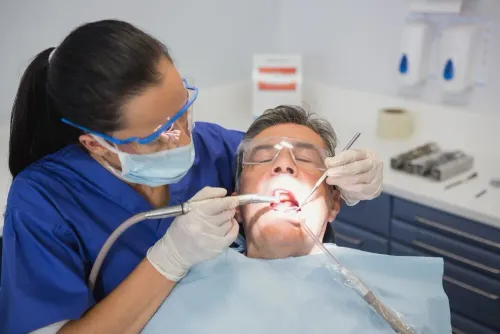
The wisdom tooth removal steps follow the tooth’s position and the anaesthesia plan. The wisdom tooth extraction process normally begins with local anaesthetic, followed by a careful check that the area is numb. Sedation or general anaesthesia may be considered according to your anxiety, the procedure’s complexity, medical factors, and local arrangements.
1. You receive local anaesthetic around the tooth. It prevents sharp pain, but you can still feel pressure, movement, vibration, and hear instruments or sounds. Tell the dentist if you feel pain rather than pressure.
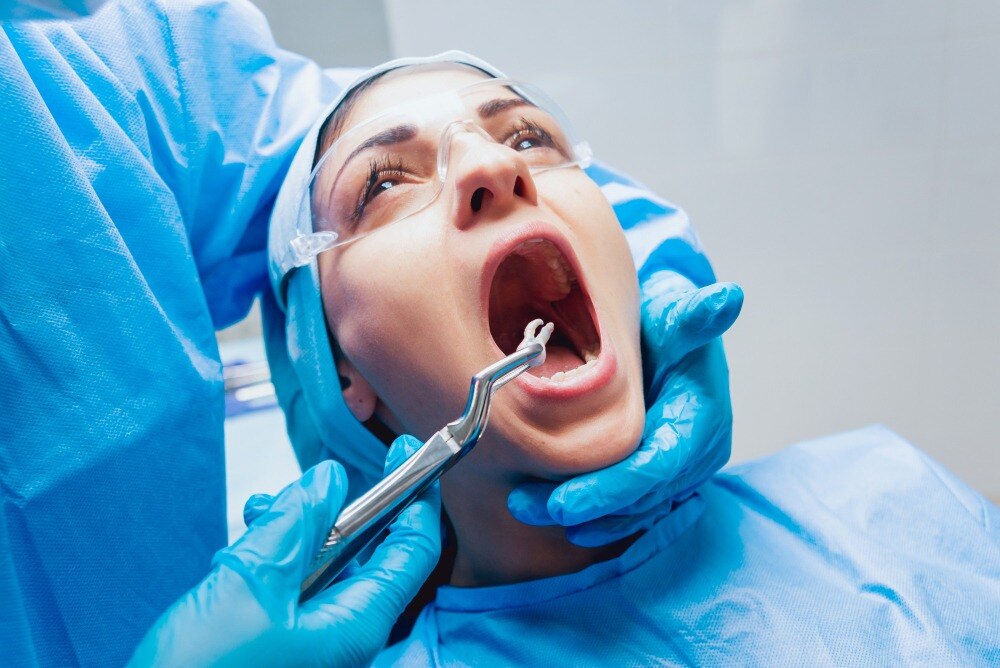
2. An erupted tooth is loosened with elevators, then removed with forceps. This is a simple extraction because the crown is accessible.
3. An impacted tooth may need an incision and a gum flap. The dentist may remove a small amount of surrounding bone and section the tooth into pieces before delivering each piece.
4. The dentist irrigates and cleans the socket, places stitches when needed, and gives you gauze to bite on with firm pressure.
Appointment length varies with tooth position, root shape, bone density, and the number of teeth treated. A straightforward erupted tooth may take less time than a deeply impacted tooth with curved roots. Anaesthetic controls pain, but it does not guarantee that you will feel nothing during the procedure.
What to expect during the first days of recovery
What to expect after wisdom tooth extraction includes soreness, facial swelling, bruising, limited mouth opening, and difficulty chewing. Swelling often increases during the first 48 to 72 hours before it improves, so the day after surgery is not always the worst. More difficult removals can take longer to settle.
| Feature | Normal wisdom tooth surgery recovery | Possible dry socket |
|---|---|---|
| Pain | Soreness that gradually improves with prescribed or recommended pain relief | Severe pain that worsens several days later and may spread to the ear or temple |
| Socket | Blood clot remains in place | Clot is lost or breaks down, leaving the socket painful |
| Other signs | Swelling, bruising, and jaw stiffness | Unpleasant taste or smell |
Protect the clot during the first 24 hours. Do not rinse forcefully, spit repeatedly, smoke, use tobacco, or touch the socket. After 24 hours, gently rinse with warm salt water and brush around the area without scrubbing the socket itself. Avoid alcohol while sedation effects remain or while taking medicines that interact with it.
Dry socket needs dental examination and local care, which can include irrigation and a dressing. Antibiotics do not routinely treat an uncomplicated dry socket; a clinician prescribes them for a specific indication, such as spreading or systemic infection.
Which symptoms require a prompt dental review
Persistent heavy bleeding, breathing difficulty, or trouble swallowing needs prompt dental review rather than watchful waiting. For slight oozing, sit upright and bite firmly on gauze or a clean cloth for the period instructed by your dentist.
| Symptom | Immediate step | Why review matters |
|---|---|---|
| Persistent heavy bleeding | Keep firm pressure and contact the dental service; use urgent care if it continues | The socket may need direct treatment |
| Fever, pus, or swelling worsening after 48 to 72 hours | Arrange prompt examination | These signs can indicate infection |
| Dehydration or inability to swallow | Seek urgent assessment | You may need fluids and treatment |
| Uncontrolled pain | Contact the dental service | The cause could be dry socket, infection, or a medication problem |
| Breathing difficulty | Seek emergency care now | Airway problems cannot wait |
Ordinary wisdom tooth surgery recovery includes soreness, bruising, swelling, limited opening and difficult chewing.
What to expect after wisdom tooth extraction also includes pain that becomes severe or increases several days later, sometimes spreading to the ear or temple with a bad taste or smell; this suggests dry socket, treated with examination, irrigation and a dressing rather than routine antibiotics.
Lower surgery can cause numbness in the lip, chin or tongue when roots lie near sensory nerves. It often improves but can persist, so discuss that risk during consent. Upper teeth carry different risks, including a mouth-to-maxillary-sinus opening in selected cases.
Deshmukh Dental Clinic can compare your examination, imaging and symptoms to decide between reassurance, socket care, medication review and urgent treatment.
Related service
Oral Surgery Wisdom teeth, no problem! 😊 Our expert team handles wisdom tooth extractions with care and precision, ensuring a smooth and comfortable experience. View service → |
Frequently asked questions
How does a wisdom tooth removal consultation determine whether extraction is needed?
The dentist reviews your symptoms, health history, medicines, and dental X-rays to assess infection, decay, gum disease, food trapping, damage to nearby teeth, and the tooth’s position. Removal is not automatic.
What should you arrange before a wisdom tooth extraction appointment?
Tell the dentist about medical conditions, allergies, pregnancy, smoking, previous anaesthetic reactions, and blood thinners. Arrange transport if sedation or general anaesthesia is planned, follow fasting instructions, and stock soft foods and prescribed medicines.
What happens during simple and surgical wisdom tooth extraction?
For a simple extraction, the dentist numbs the area and loosens the visible tooth before removing it. Surgical extraction involves a gum incision and sometimes bone removal or sectioning the tooth, followed by stitches when needed.
What should you expect after wisdom tooth extraction, and which symptoms need review?
Expect some bleeding, swelling, jaw stiffness, and soreness during the first days. Follow the dentist’s instructions for gauze, pain relief, cleaning, and food. Seek prompt review for uncontrolled bleeding, worsening swelling, fever, breathing or swallowing difficulty, or severe pain that increases after initial improvement.
Keywords