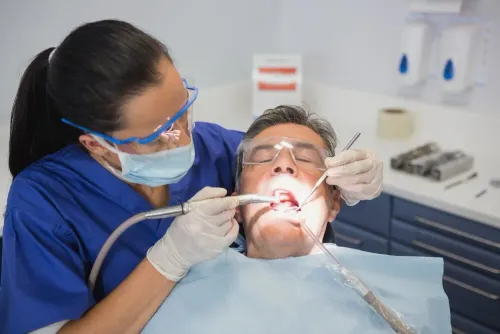
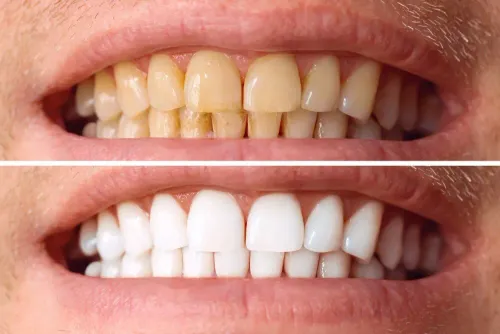
A persistent toothache can disrupt your daily routine, make eating uncomfortable, and even affect your sleep. While many people delay treatment because they fear pain, modern painless root canal treatment has changed the way dentists manage infected teeth. With advanced technology, effective anesthesia, and improved techniques, root canal therapy is now a comfortable procedure for most patients.
For people living and working in Hinjewadi, seeking treatment early can help save a damaged tooth and prevent more complex dental problems.
What Is a Root Canal Treatment?
A root canal is a dental procedure that removes infected or inflamed tissue from inside the tooth. Once the damaged pulp is cleaned, the canals are disinfected, filled, and sealed to protect the tooth from future infection.
The goal is to preserve your natural tooth instead of removing it.
Signs You May Need a Root Canal
Not every toothache requires root canal treatment, but certain symptoms should never be ignored.
Common warning signs include:
- Persistent tooth pain
- Sharp pain while chewing
- Sensitivity to hot or cold that lasts several minutes
- Swollen or tender gums
- Darkening of a tooth
- Pimples or pus near the gums
- Facial swelling in severe cases
Sometimes an infected tooth causes very little pain, making routine dental check-ups equally important.
Why Does a Tooth Become Infected?
Several conditions can allow bacteria to reach the tooth pulp.
These include:
- Deep cavities
- Cracked or fractured teeth
- Untreated dental injuries
- Repeated dental procedures on the same tooth
- Severe gum disease
Without treatment, the infection may spread to surrounding tissues.
Is Root Canal Treatment Really Painless?
This is one of the most common concerns among patients.
Today's dental techniques focus on patient comfort through:
- Effective local anesthesia
- Rotary endodontic instruments
- Digital imaging for precise treatment
- Better infection control
- Gentle cleaning methods
Most patients describe the experience as similar to getting a dental filling rather than undergoing major dental work.
What Happens During the Procedure?
Although every case is different, treatment generally follows these steps:
- Clinical examination and digital X-rays
- Administration of local anesthesia
- Isolation of the affected tooth
- Removal of infected pulp tissue
- Cleaning and shaping of root canals
- Filling and sealing the canals
- Placement of a temporary or permanent restoration
- Dental crown if required for long-term protection
Depending on the severity of infection, treatment may require one or two visits.
Benefits of Saving the Natural Tooth
Whenever possible, preserving a natural tooth offers several advantages.
These include:
- Comfortable chewing
- Natural appearance
- Proper bite alignment
- Prevention of neighboring teeth shifting
- Better long-term oral function
Saving the tooth often avoids the need for extraction and replacement.
Recovery After Root Canal Treatment
Recovery is generally straightforward.
Patients should:
- Avoid chewing on the treated side until permanent restoration is completed
- Maintain good oral hygiene
- Take prescribed medications if advised
- Attend follow-up appointments
- Consider a dental crown when recommended
Mild tenderness for a few days is normal and usually improves quickly.
Can Root Canal Treatment Be Avoided?
Good oral care significantly reduces the risk.
Helpful habits include:
- Brushing twice daily
- Daily flossing
- Limiting sugary foods
- Wearing a mouthguard during sports
- Visiting a dentist every six months
Early treatment of cavities prevents infection from reaching the tooth pulp.
Frequently Asked Questions
How long does a root canal take?
Most procedures are completed within 60–90 minutes, although complex cases may require an additional appointment.
Will I feel pain during treatment?
Modern anesthesia keeps patients comfortable throughout the procedure.
Is tooth extraction a better option?
Saving a natural tooth is usually preferred whenever possible because it preserves normal chewing and jaw function.
Will I need a crown afterward?
Many back teeth require crowns after root canal treatment to improve strength and durability.
Patients in Hinjewadi looking for comprehensive dental care often benefit from early diagnosis rather than waiting for pain to worsen. At Deshmukh Dental Clinic, treatment plans are personalized to help preserve natural teeth while ensuring patient comfort through modern dental techniques.
Keywords