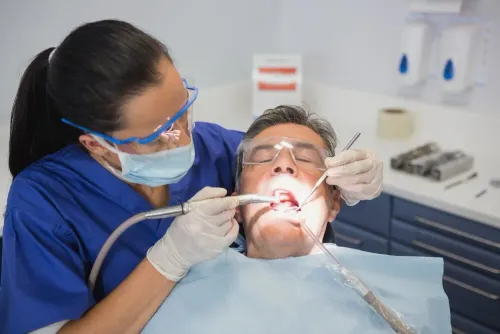
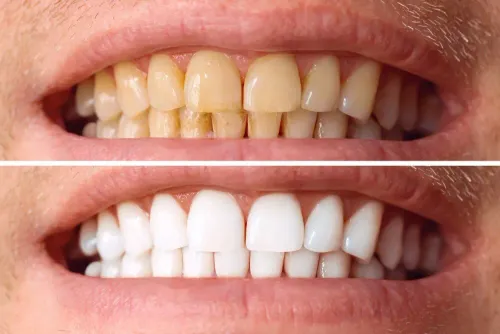
The phrase “root canal” often creates anxiety, even when the patient has never undergone the procedure. Modern anaesthesia, improved instruments and careful treatment planning have made the experience considerably more manageable. Painless Root Canal Treatment is intended to relieve infection-related pain while preserving a natural tooth that might otherwise require extraction.
For patients in Hinjewadi, understanding each stage of treatment can reduce uncertainty and make it easier to seek care before the infection becomes more complicated.
Why Root Canal Treatment Is Needed
Inside every tooth is a soft tissue called the pulp, which contains nerves and blood vessels. Deep decay, cracks, trauma or repeated dental work can allow this tissue to become inflamed or infected.
Possible warning signs include:
- Persistent toothache
- Pain when biting
- Prolonged sensitivity to hot or cold
- Gum swelling near a tooth
- A pimple-like spot on the gum
- Tooth darkening
- Facial swelling
Some infected teeth produce few symptoms. An examination and dental X-ray are therefore important for diagnosis.
How Discomfort Is Controlled
Before treatment begins, local anaesthesia is administered to numb the tooth and surrounding area. The dentist confirms adequate numbness before proceeding.
Patients may feel pressure or vibration, but sharp pain should be reported immediately. Additional anaesthesia or modified techniques may be used when a severely inflamed tooth is difficult to numb.
Anxiety management also contributes to comfort. Clear explanations, short breaks, controlled pacing and agreed hand signals can help nervous patients feel more secure.
What Happens During the Procedure
Once the tooth is numb, it is isolated to keep the area clean and dry. A small opening is created to access the infected pulp tissue.
The dentist then:
- Removes inflamed or infected tissue.
- Cleans and shapes the root canals.
- Disinfects the internal spaces.
- Fills and seals the prepared canals.
- Places a temporary or permanent restoration.
Some cases can be completed in one visit, while others require multiple appointments. Treatment time depends on the tooth, root anatomy, infection level and previous dental work.
Does Pain Stop Immediately
The severe pain caused by inflamed pulp often improves after the infected tissue is removed. However, mild tenderness while biting can occur for a few days as tissues around the root recover.
Patients should follow the dentist’s instructions regarding medication and food choices. Antibiotics are not automatically required for every root canal and should only be taken when prescribed for a specific clinical reason.
Increasing swelling, fever, severe pain or difficulty swallowing requires prompt professional attention.
Why the Final Restoration Matters
A root canal removes infection from inside the tooth, but it does not rebuild missing tooth structure. Teeth with large cavities or fractures may require a crown or another durable restoration.
Delaying the final restoration can leave the tooth vulnerable to:
- Fracture
- Leakage
- New bacterial contamination
- Loss of the temporary filling
- Reduced long-term predictability
Until the permanent restoration is completed, patients may be advised to avoid chewing hard foods on the treated tooth.
Root Canal Treatment or Extraction
Saving a restorable natural tooth can help maintain chewing function and prevent nearby teeth from shifting. Extraction may still be necessary when a tooth has a severe fracture, inadequate bone support or damage that cannot be predictably repaired.
The decision should be based on examination, X-rays, restorability, gum health and the patient’s overall treatment needs not fear of the procedure alone.
Deshmukh Dental Clinic assesses the source of tooth pain before recommending Painless Root Canal Treatment. Patients from Hinjewadi, Wakad and nearby Pune areas can discuss anaesthesia, appointment requirements and restoration options before treatment starts.
Early assessment is important because dental infection does not reliably disappear on its own. Timely care can relieve discomfort, limit the spread of infection and improve the possibility of preserving the affected tooth.
Keywords