Losing a tooth can affect more than appearance. It may make chewing uncomfortable, alter speech and allow neighbouring teeth to move into the empty space. Painless Dental Implant Treatment provides a fixed tooth-replacement option for many adults, but it requires proper assessment and realistic planning.
For residents of Wakad and the surrounding Pune region, understanding the complete implant process can make the decision less intimidating.
What a Dental Implant Does
A dental implant is placed in the jawbone to support a replacement tooth. After healing, a connector and crown are attached to restore the visible portion of the tooth.
An implant does not depend on grinding down adjacent healthy teeth in the same way as a conventional tooth-supported bridge. It also remains fixed in the mouth, unlike a removable denture.
However, an implant is not automatically the best option for every missing tooth. The condition of the gums, bone, neighbouring teeth and overall health must be considered.
How Implant Placement Is Made Comfortable
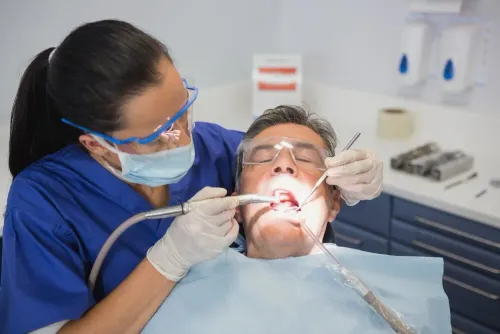
Local anaesthesia is used to numb the treatment area before implant placement. Patients may notice pressure or vibration during the procedure, but the objective is to prevent sharp pain.
Comfort can be improved through:
- Careful pre-treatment imaging
- Adequate local anaesthesia
- Minimally traumatic surgical technique
- Clear communication during treatment
- Appropriate post-procedure medication
- Written home-care instructions
- Planned follow-up appointments
Patients with significant dental anxiety should discuss their concerns during the consultation. Available anxiety-management options depend on medical history and the complexity of treatment.
Assessment Before Implant Treatment
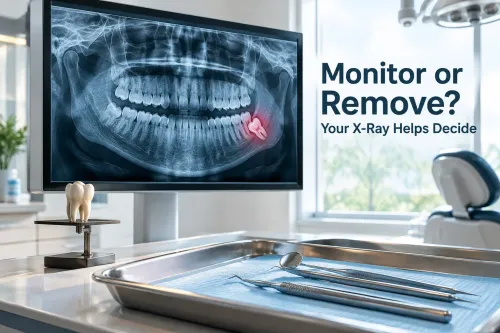
A comprehensive evaluation may include dental X-rays or three-dimensional imaging to study bone height, bone width and nearby anatomical structures.
The dentist also reviews:
- Gum health
- Bite relationship
- Space available for the new tooth
- Smoking or tobacco use
- Diabetes control
- Current medicines
- Previous dental infections
- Teeth grinding
- Oral hygiene practices
- Expectations regarding treatment time
Uncontrolled gum disease or active infection usually needs attention before an implant is placed.
Is Bone Grafting Always Necessary
Not every implant patient requires bone grafting. It may be recommended when bone volume is insufficient to support the planned implant in an appropriate position.
The need for grafting depends on factors such as how long the tooth has been missing, previous infection and the anatomy of the jaw. In some situations, grafting and implant placement can occur together. In others, healing is needed before the implant procedure.
Understanding the Treatment Timeline
Implant treatment usually involves several stages rather than one instant appointment. A typical plan may include:
- Examination and imaging
- Treatment of existing infection or gum problems
- Implant placement
- Bone-healing period
- Crown planning
- Placement of the final replacement tooth
- Maintenance reviews
In selected cases, a temporary tooth may be provided during healing. Immediate placement or immediate loading is not appropriate for every patient and depends on stability, bone condition and bite forces.
Recovery After Implant Placement
Mild swelling, tenderness or bruising can occur during the early recovery period. Patients are generally advised to follow prescribed medication instructions, maintain gentle oral hygiene and avoid disturbing the surgical area.
Smoking can interfere with healing and increase the risk of implant complications. Patients should discuss tobacco cessation and individual risk factors before proceeding.
Severe or worsening pain, persistent bleeding, fever or increasing swelling should be reported promptly.
Long-Term Maintenance
Implants cannot develop ordinary tooth decay, but the tissues around them can become inflamed or infected. Daily brushing, interdental cleaning and periodic professional reviews remain essential.
Deshmukh Dental Clinic plans Painless Dental Implant Treatment according to each patient’s bone condition, gum health and restorative needs. Adults from Wakad and Hinjewadi can receive a clear explanation of the proposed stages before deciding whether implant treatment is suitable.
A well-planned implant should be viewed as a continuing oral-health commitment. Careful diagnosis, comfortable placement and consistent maintenance all contribute to a stable and functional result.
Keywords