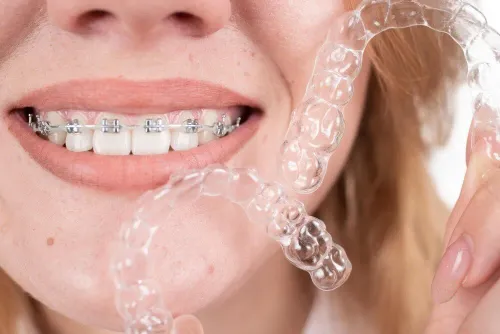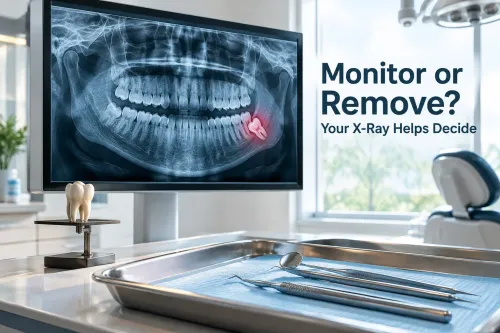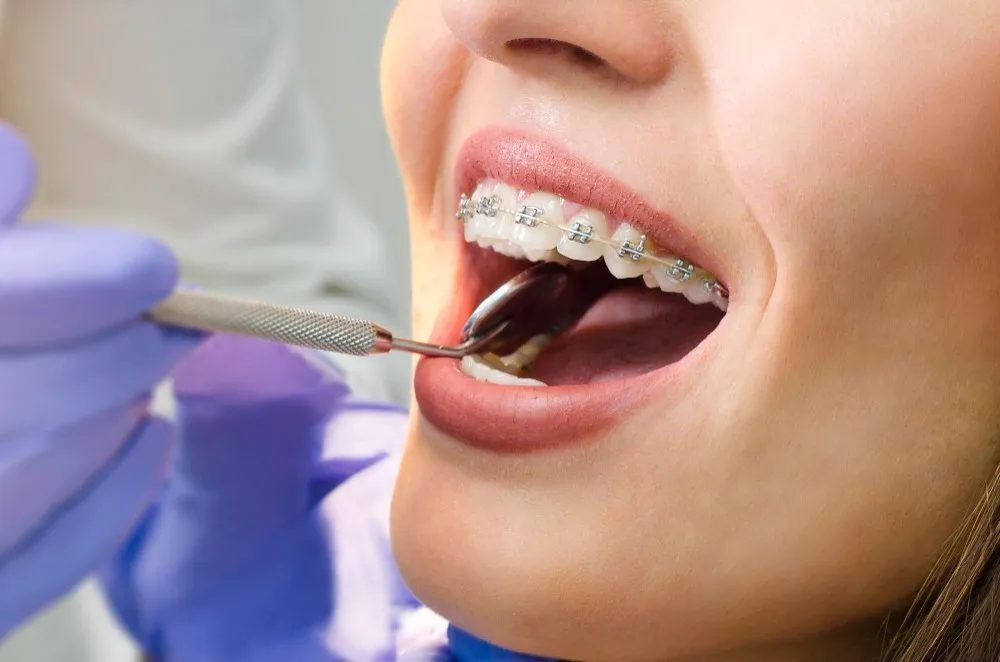
Crooked teeth can affect appearance, but alignment is also connected to cleaning access, bite distribution and long-term dental function. Orthodontic Treatment and Braces gradually move teeth into planned positions using controlled forces.
Families and working adults in Hinjewadi can choose from several orthodontic systems, but the most suitable option depends on the bite rather than appearance or convenience alone.
When Orthodontic Assessment May Help
An orthodontic evaluation may be recommended for:
- Crowded or overlapping teeth
- Gaps between teeth
- Protruding front teeth
- Deep bite
- Open bite
- Crossbite
- Teeth that do not meet evenly
- Difficulty cleaning crowded areas
- Relapse after previous orthodontic treatment
- Jaw growth concerns in children
Some conditions are easier to manage when identified during growth, while adult orthodontic treatment can be performed at many ages if the teeth and gums are healthy.
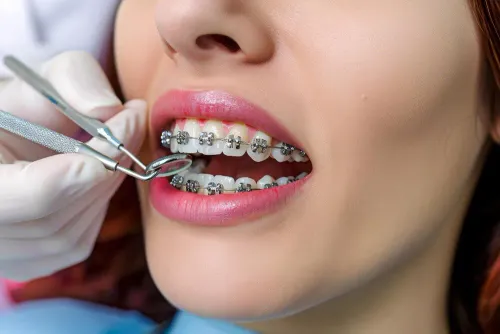
Metal Braces
Conventional metal braces use brackets and wires to guide tooth movement. They can manage a wide range of alignment and bite problems.
Advantages may include predictable force control and suitability for complex movements. They remain visible and require careful cleaning around brackets.
Ceramic Braces
Ceramic braces function similarly to metal braces but use tooth-coloured or clear brackets. They are less noticeable from a distance.
They may require additional attention to prevent staining around the appliances. Suitability depends on the bite, expected movements and patient habits.
Clear Aligners
Clear aligners are removable trays designed to move teeth in stages. They can be convenient for eating and oral hygiene because the trays are removed during meals and cleaning.
Their effectiveness depends heavily on wearing them for the prescribed duration. Aligners may not be the ideal choice for every complex movement, and attachments or additional procedures may still be necessary.
Choosing the Right Option
Patients should compare orthodontic systems using practical factors:
- Complexity of the bite
- Expected treatment duration
- Visibility preferences
- Ability to follow instructions
- Oral hygiene
- Eating habits
- Appointment requirements
- Cost and payment structure
- Need for extractions or other procedures
- Retention after active treatment
A lower-visibility appliance is not automatically a faster appliance. Tooth movement must occur at a biologically appropriate rate.
Oral Care During Treatment
Plaque can collect around brackets and attachments. Inadequate cleaning may lead to gum inflammation, cavities or permanent white marks on the enamel.
Patients should:
- Brush carefully around every appliance
- Use interdental brushes or recommended aids
- Limit frequent sugary snacks and drinks
- Avoid damaging hard or sticky foods when wearing fixed braces
- Keep scheduled adjustment appointments
- Report broken wires or brackets
- Continue routine dental examinations
Existing cavities and gum disease should be managed before active orthodontic treatment begins.
Retainers Are Part of Treatment
Teeth can move after braces or aligners are discontinued. Retainers help maintain the corrected positions while surrounding tissues adapt.
Depending on the case, retainers may be removable, fixed behind the teeth or used in combination. Patients should understand the recommended wear schedule and replacement needs before starting treatment.
Failure to use retainers as instructed is a common cause of orthodontic relapse.
Questions to Ask at a Consultation
A useful orthodontic consultation should explain:
- The diagnosed bite problem
- Available treatment options
- Whether teeth may need removal
- Estimated treatment duration
- Appointment frequency
- Appliance-care responsibilities
- Possible limitations
- Total cost inclusions
- Retainer requirements
Deshmukh Dental Clinic evaluates tooth position, gum condition and bite relationships before planning Orthodontic Treatment and Braces. Teenagers and adults from Hinjewadi and the wider Pune area can discuss fixed braces and removable aligner options according to their clinical needs.
The best orthodontic system is the one that can achieve the required movements safely and that the patient can maintain consistently throughout treatment.
Keywords