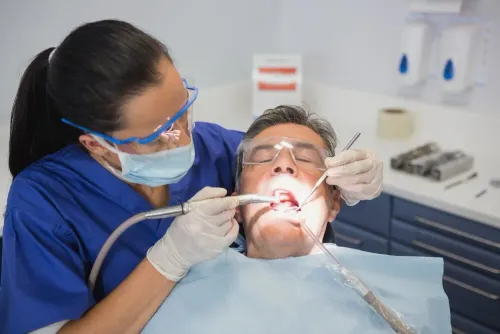
Dentists always aim to preserve natural teeth whenever possible. However, there are situations where oral surgery and tooth extraction services become the safest and most appropriate solution for protecting overall oral health. Understanding when extraction is necessary can help patients seek treatment before pain or infection becomes severe.
Modern dental techniques have also made tooth removal significantly more comfortable than many people expect.
When Is Tooth Extraction Recommended?
Tooth extraction may be necessary in cases such as:
- Severe tooth decay
- Advanced gum disease
- Impacted wisdom teeth
- Broken teeth beyond repair
- Orthodontic treatment planning
- Dental trauma
- Persistent infection despite treatment
A thorough examination helps determine whether the tooth can still be saved or if extraction is the healthier option.
Common Types of Tooth Extraction
Simple Extraction
Performed when the tooth is visible above the gum line and can be removed without surgery.
Surgical Extraction
Recommended for impacted, broken, or partially erupted teeth that require a more advanced procedure.
The treatment approach depends on the tooth's condition and location.
What Happens Before the Procedure?
Before extraction, the dentist usually performs:
- Clinical examination
- Digital X-rays
- Review of medical history
- Assessment of nearby teeth
- Discussion of treatment options
Patients are informed about the procedure, recovery expectations, and possible replacement options if needed.
Is Tooth Extraction Painful?
Modern dentistry prioritizes patient comfort.
Treatment commonly includes:
- Effective local anesthesia
- Gentle surgical techniques
- Careful tissue management
- Clear post-operative instructions
Most patients feel pressure rather than pain during the procedure.
Recovery After Tooth Extraction
Healing is generally smooth when aftercare instructions are followed.
Patients are usually advised to:
- Bite gently on gauze
- Avoid smoking
- Eat soft foods initially
- Avoid vigorous rinsing during the first day
- Maintain oral hygiene while protecting the extraction site
- Attend follow-up appointments if recommended
Recovery time varies depending on the complexity of the extraction.
Replacing Missing Teeth
If a permanent tooth is removed, replacement may help restore normal function.
Common options include:
- Dental implants
- Dental bridges
- Partial dentures
Your dentist will recommend the most suitable solution based on oral health, bone condition, and personal preferences.
Wisdom Teeth: Do They Always Need Removal?
Not necessarily.
Wisdom teeth are usually removed only if they:
- Cause pain
- Remain impacted
- Damage neighboring teeth
- Develop repeated infections
- Create cysts
- Contribute to crowding
Routine monitoring helps determine the right time for treatment.
Frequently Asked Questions
How long does recovery take?
Most patients resume normal daily activities within a few days, although complete healing may take longer.
Can I eat after tooth extraction?
Soft foods are generally recommended during the initial healing period.
Will I need stitches?
Some surgical extractions require stitches, while many simple extractions do not.
Can every damaged tooth be saved?
No. Some teeth become too severely damaged or infected to restore safely.
Patients in Hinjewadi who require oral surgery benefit from timely diagnosis and individualized treatment planning. Deshmukh Dental Clinic carefully evaluates every case before recommending tooth extraction, ensuring that preserving the natural tooth remains the first priority whenever possible while offering appropriate restorative options for long-term oral health.
Keywords