When multiple dental problems occur together, treating just one tooth at a time may not provide lasting results. Full mouth rehabilitation treatment is a comprehensive approach that restores the health, function, and appearance of the entire mouth by addressing several issues through a carefully planned sequence of treatments.
For patients experiencing extensive dental damage, this treatment can significantly improve comfort, chewing ability, and confidence.
What Is Full Mouth Rehabilitation?
Full mouth rehabilitation combines multiple dental procedures to rebuild damaged or worn teeth while improving overall oral function.
Depending on individual needs, treatment may include:
- Dental crowns
- Bridges
- Dental implants
- Root canal treatment
- Gum therapy
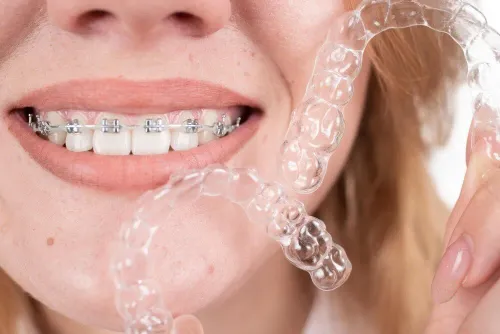
- Orthodontic correction
- Bite adjustment
- Cosmetic dentistry procedures
Each treatment plan is customized after a detailed assessment.
Who May Need Full Mouth Rehabilitation?
You may benefit from comprehensive treatment if you experience:
- Multiple missing teeth
- Severely worn teeth
- Broken or cracked teeth
- Chronic jaw discomfort
- Difficulty chewing
- Long-term gum disease
- Bite misalignment
- Extensive tooth decay
Patients often have more than one of these conditions simultaneously.
Why Is Comprehensive Planning Important?
Treating isolated dental problems without considering the entire mouth may create additional complications later.
A structured rehabilitation plan focuses on:
- Bite balance
- Tooth function
- Gum health
- Jaw alignment
- Long-term stability
- Smile aesthetics
This integrated approach provides more predictable outcomes.
What Does the Evaluation Involve?
Before starting treatment, dentists usually perform:
- Clinical examination
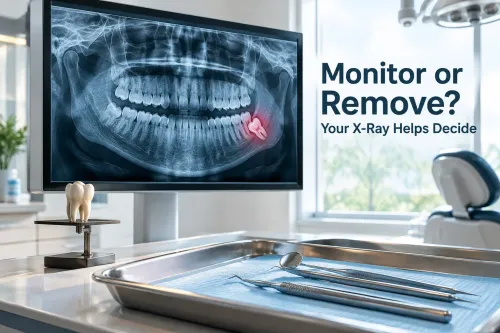
- Digital X-rays
- Bite analysis
- Gum health assessment
- Photographic records
- Discussion of patient goals
These findings help determine the sequence of treatment.
Common Procedures Included
Every rehabilitation plan is different, but commonly recommended treatments include:
- Dental cleaning
- Tooth-colored fillings
- Root canal therapy
- Dental crowns
- Implant-supported restorations
- Gum treatment
- Cosmetic enhancements
Treatment is usually completed in phases rather than during a single visit.
Benefits of Full Mouth Rehabilitation
Patients often notice improvements in:
- Comfortable chewing
- Speech clarity
- Smile appearance
- Jaw comfort
- Tooth stability
- Overall oral health
Addressing all underlying issues together often produces longer-lasting results than isolated treatments.
Maintaining Results
After rehabilitation, long-term success depends on daily care.
Patients should:
- Brush twice daily
- Floss regularly
- Attend scheduled check-ups
- Wear protective night guards if recommended
- Follow dietary advice
- Address new dental concerns promptly
Regular maintenance helps protect the investment made in comprehensive treatment.
Frequently Asked Questions
How long does treatment take?
The timeline varies depending on the number of procedures required and individual healing.
Is full mouth rehabilitation only cosmetic?
No. While appearance improves, the primary focus is restoring function, comfort, and oral health.
Can treatment be completed in stages?
Yes. Most rehabilitation plans are carried out over multiple appointments.
Who is a suitable candidate?
Patients with multiple dental concerns affecting chewing, appearance, or oral function may benefit after a thorough evaluation.
Residents of Hinjewadi seeking comprehensive dental solutions often require personalized planning rather than a single procedure. Deshmukh Dental Clinic develops individualized rehabilitation plans that prioritize long-term oral health, functional improvement, and natural-looking results while considering each patient's specific dental needs.
Keywords