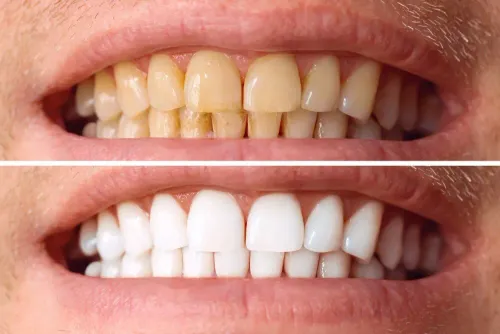
Whitening toothpaste, over-the-counter strips and home remedies are widely available, but they do not produce the same results for every person. When patients want faster and more controlled whitening, In-Office Laser Teeth Whitening may be considered after a dental examination.
Understanding how clinic-based whitening differs from home methods can help patients in Wakad make a safer and more informed choice.
How In-Office Whitening Works
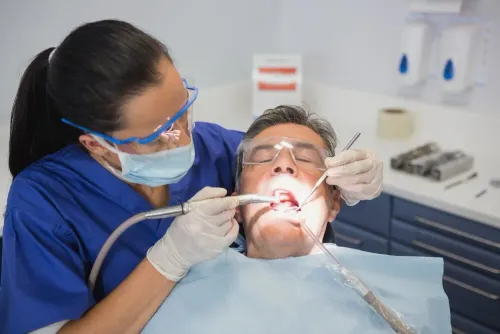
During an in-office session, the dentist first examines the mouth for cavities, cracked teeth, sensitivity and gum inflammation. A protective barrier is placed over the gums before the whitening agent is applied.
Depending on the whitening system, a specialised light or laser may be used as part of the activation process. The dentist controls the concentration, application time and number of cycles according to the patient’s dental condition.
The entire procedure is supervised, allowing the dental team to respond if sensitivity or gum irritation develops.
Whitening Toothpaste
Whitening toothpaste mainly helps remove certain surface stains through polishing ingredients. It can be useful for routine maintenance, but it does not usually change deeper tooth colour significantly.
It may be suitable for people with mild staining caused by tea, coffee or food. Excessively abrasive toothpaste should not be used without guidance, especially when enamel wear or exposed roots are present.
Over-the-Counter Whitening Products
Strips, gels and trays sold for home use generally contain lower concentrations of bleaching agents than professionally administered products. Results may develop gradually and depend heavily on correct, consistent application.
Potential limitations include:
- Poorly fitting trays
- Uneven contact with the teeth
- Gum irritation from excess gel
- Increased sensitivity
- Limited improvement in deeper stains
- Accidental overuse
These products should not be applied over untreated cavities or inflamed gums.
Unsupervised Home Remedies
Lemon juice, charcoal powders, baking soda mixtures and other internet remedies may appear convenient, but they can be abrasive or acidic. Frequent use can damage the tooth surface or irritate oral tissues.
A tooth may look temporarily cleaner after abrasive scrubbing, but that does not mean its internal shade has safely changed. Removing enamel cannot be reversed, so professional advice is preferable before trying an aggressive home method.
Comparing the Options
In-office whitening is generally chosen when the patient wants supervised treatment and a noticeable improvement within a shorter period. Home whitening may suit patients who prefer gradual results and have been assessed as suitable candidates.
Important differences include:
- Speed: Clinic-based treatment generally produces visible changes sooner.
- Supervision: The dentist monitors the teeth and gums during in-office treatment.
- Customisation: Product strength and exposure time can be adjusted.
- Convenience: Home products allow flexible application but require consistency.
- Sensitivity management: Professional treatment allows immediate modification if discomfort occurs.
- Result predictability: Existing restorations and difficult stains can be identified before treatment begins.
Who May Need Another Solution
Whitening may not correct every cosmetic concern. It does not change the colour of crowns, veneers or fillings. It may also be unsuitable as an immediate first step when a person has active decay, gum disease or severe sensitivity.
A tooth that has become dark after an injury may require an X-ray and vitality testing. White or brown enamel patches may need treatments such as resin infiltration, bonding or veneers rather than bleaching alone.
Pregnant or breastfeeding patients and younger individuals should discuss timing and suitability with a qualified dentist.
Preparing for the Appointment
Patients should tell the dentist about previous sensitivity, dental restorations and any whitening products already used. Professional cleaning may be recommended when deposits and surface stains are present.
Deshmukh Dental Clinic provides individual evaluation before In-Office Laser Teeth Whitening for patients from Wakad, Hinjewadi and surrounding Pune neighbourhoods. The objective is to select a method that suits the type of staining, oral health status and desired level of improvement.
The best whitening choice is not necessarily the strongest product. It is the method that brightens the smile while respecting the condition of the enamel, gums and existing dental work.
Keywords