When several teeth are worn, broken, missing or heavily restored, treating only the most painful tooth may not solve the larger problem. Full Mouth Rehabilitation Treatment combines different dental procedures within one coordinated plan to improve comfort, function, oral health and smile appearance.
It is not a single standard procedure. For patients in Hinjewadi, the treatment sequence is determined by the condition of the teeth, gums, jaw joints and bite.
Who May Need Full Mouth Rehabilitation
Comprehensive rehabilitation may be considered when a person has several related concerns, including:
- Multiple missing teeth
- Severely worn or shortened teeth
- Broken or heavily filled teeth
- Difficulty chewing
- Repeated dental infections
- Advanced gum problems
- An unstable bite
- Poorly fitting old crowns or bridges
- Damage associated with teeth grinding
- Dental changes following trauma
The aim is not to place crowns on every tooth. The goal is to preserve healthy structures and treat only what is clinically necessary.
The Importance of Diagnosis
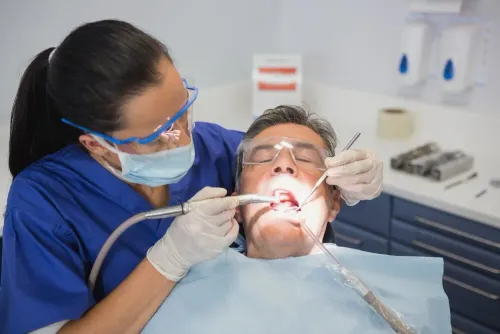
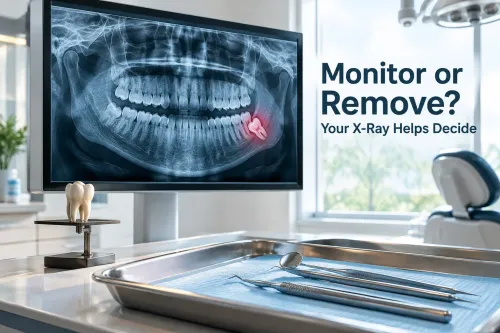
A full-mouth plan begins with a detailed examination. The dentist may use X-rays, photographs, impressions, digital scans and bite records to understand the relationship between different problems.
The assessment considers:
- Which teeth can be preserved
- Whether root canal treatment is required
- Gum and bone support
- Space available for replacement teeth
- Jaw movement and bite forces
- Smile proportions
- Existing dental materials
- Oral hygiene and maintenance ability
- Medical conditions that may affect treatment
This information helps prevent isolated treatments from interfering with one another.
Treatments That May Be Included
The final combination differs for every patient. It may involve:
- Professional cleaning and gum therapy
- Fillings or onlays
- Root canal treatment
- Crowns and bridges
- Dental implants
- Removable dentures
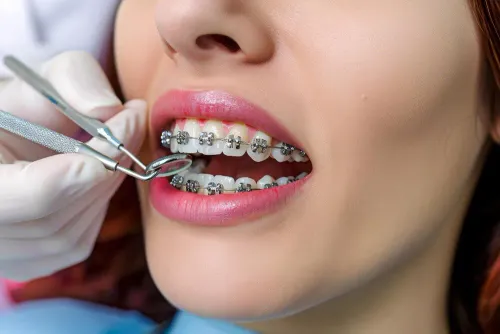
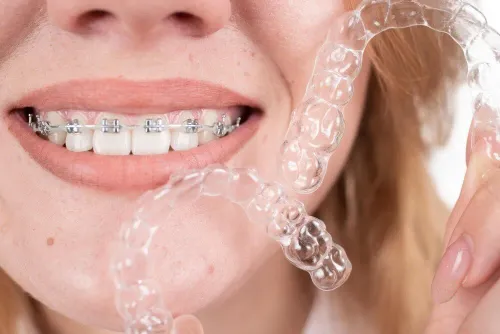
- Orthodontic alignment
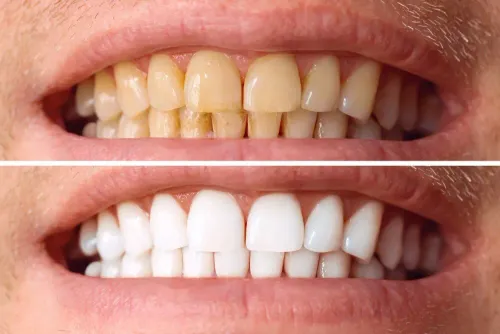
- Tooth whitening
- Cosmetic bonding or veneers
- Replacement of defective restorations
- Bite adjustment
- Night guards for teeth grinding
Some patients need only restorative treatment, while others require collaboration between different dental disciplines.
Why Treatment Is Completed in Stages
Full-mouth rehabilitation may take several appointments because urgent disease control should come before final cosmetic work.
A logical sequence often includes:
- Managing pain and active infection
- Improving gum health
- Stabilising damaged teeth
- Confirming the planned bite
- Replacing missing teeth
- Completing definitive restorations
- Reviewing function and appearance
- Establishing a maintenance schedule
Temporary restorations may be used to evaluate comfort, speech and bite before permanent work is completed.
Questions About Cost and Time
The cost of rehabilitation depends on the number of teeth involved, materials selected, laboratory work, implant requirements and overall complexity. A plan involving fillings and a removable prosthesis will differ significantly from one involving multiple implants and ceramic restorations.
Patients should request:
- A diagnosis for each proposed procedure
- A stage-by-stage treatment plan
- Alternative options where appropriate
- Estimated appointment requirements
- Details about temporary restorations
- Material choices
- Maintenance expectations
- A written cost estimate
Treatment can sometimes be phased to address immediate priorities first while preparing for later stages.
Protecting the Final Result
Even well-designed restorations require maintenance. Gum inflammation, tobacco use, teeth grinding and inadequate cleaning can reduce the longevity of treatment.
Patients may need interdental brushes, water flossing devices, implant-specific cleaning aids or a protective night guard. Review frequency should be based on individual risk rather than a single schedule for everyone.
Deshmukh Dental Clinic develops Full Mouth Rehabilitation Treatment plans after evaluating the entire mouth instead of viewing each damaged tooth separately. This approach supports adults in Hinjewadi and nearby Pune communities who have accumulated multiple dental concerns over time.
Comprehensive rehabilitation should be deliberate and transparent. When diagnosis, treatment sequencing and maintenance are clearly explained, patients can make informed decisions about restoring comfortable chewing and a balanced smile.
Keywords