Oral surgery may be recommended for an impacted wisdom tooth, a severely damaged tooth, a dental infection or another condition involving the mouth and jaws. Although many procedures are routinely performed, the decision should follow a clear diagnosis and discussion of alternatives.
When comparing Oral Surgery and Oral Care services in Hinjewadi, patients should look beyond convenience and evaluate clinical readiness, safety processes and follow-up support.
A Diagnosis Should Come Before Surgery
Not every painful tooth requires removal. Toothache may result from decay, gum disease, a crack, an impacted tooth or inflammation around a partially erupted wisdom tooth.
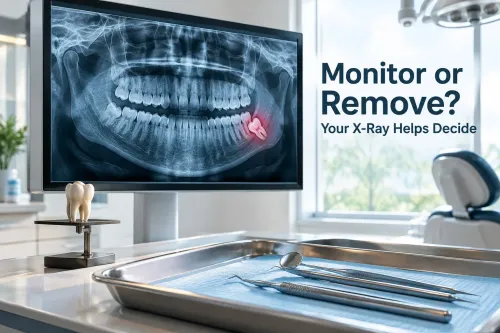
Before recommending surgery, the dentist should review symptoms, examine the area and obtain appropriate imaging. The discussion should explain:
- The diagnosis
- Why surgery is being considered
- Whether the tooth can be preserved
- Available alternatives
- Expected benefits
- Relevant risks
- Recovery requirements
- What may happen without treatment
Patients should feel able to ask questions before providing consent.
Common Oral Surgery Procedures
Depending on the clinician’s training and the complexity of the case, oral surgery may include:
- Simple tooth extraction
- Surgical wisdom-tooth removal
- Removal of fractured roots
- Management of impacted teeth
- Biopsy of selected oral lesions
- Pre-prosthetic procedures
- Bone grafting
- Implant-related surgery
- Management of certain dental infections
Complex cases may require referral to an oral and maxillofacial surgeon or hospital-based facility. A responsible provider should recognise when referral is the safer choice.
Safety Indicators to Look For
A clinic providing surgical dental care should have organised infection-control and emergency procedures.
Useful readiness indicators include:
- Review of medical history and current medicines
- Blood pressure or other relevant checks
- Appropriate diagnostic imaging
- Sterilisation protocols
- Clearly labelled sterile instruments
- Protective equipment
- Written consent
- Emergency medicines and equipment
- Postoperative instructions
- Accessible follow-up arrangements
Patients taking blood thinners, medicines for osteoporosis or drugs that affect immunity should provide complete details. Medication should never be stopped without guidance from the prescribing doctor and dental professional.
Understanding Anaesthesia and Comfort
Local anaesthesia is commonly used to numb the surgical area. The dentist should explain what sensations are expected and what the patient should communicate during the procedure.
If sedation is being considered, patients should ask about:
- The type of sedation
- Who will administer it
- Required fasting instructions
- Monitoring during treatment
- Medical suitability
- Need for an accompanying adult
- Driving restrictions
- Recovery arrangements
Sedation reduces anxiety but does not replace local anaesthesia or careful surgical technique.
Planning for Recovery
After oral surgery, mild swelling, tenderness and limited mouth opening may occur temporarily. Written instructions should cover bleeding control, oral hygiene, food choices, medication and activity restrictions.
Patients should know whom to contact if they experience:
- Bleeding that does not settle
- Increasing swelling
- Fever
- Severe or worsening pain
- Difficulty breathing or swallowing
- Persistent numbness
- An allergic reaction
- Signs of infection
Follow-up care is an important part of surgery, particularly after complex extraction or when sutures have been placed.
Questions About Fees
The cost of oral surgery can vary according to tooth position, surgical complexity, imaging needs, anaesthesia, medicines and follow-up care.
Before proceeding, patients can request a written estimate clarifying what is included. A low advertised extraction price may not represent the final cost if the tooth requires surgical removal or additional imaging.
Deshmukh Dental Clinic evaluates dental and medical factors before planning Oral Surgery and Oral Care for patients in Hinjewadi and nearby Pune communities. Where a case requires specialist or hospital support, appropriate referral should form part of responsible care.
A suitable oral surgery provider offers more than the procedure itself. Accurate diagnosis, informed consent, infection control, pain management and reliable postoperative support are all essential parts of safe treatment.
Keywords