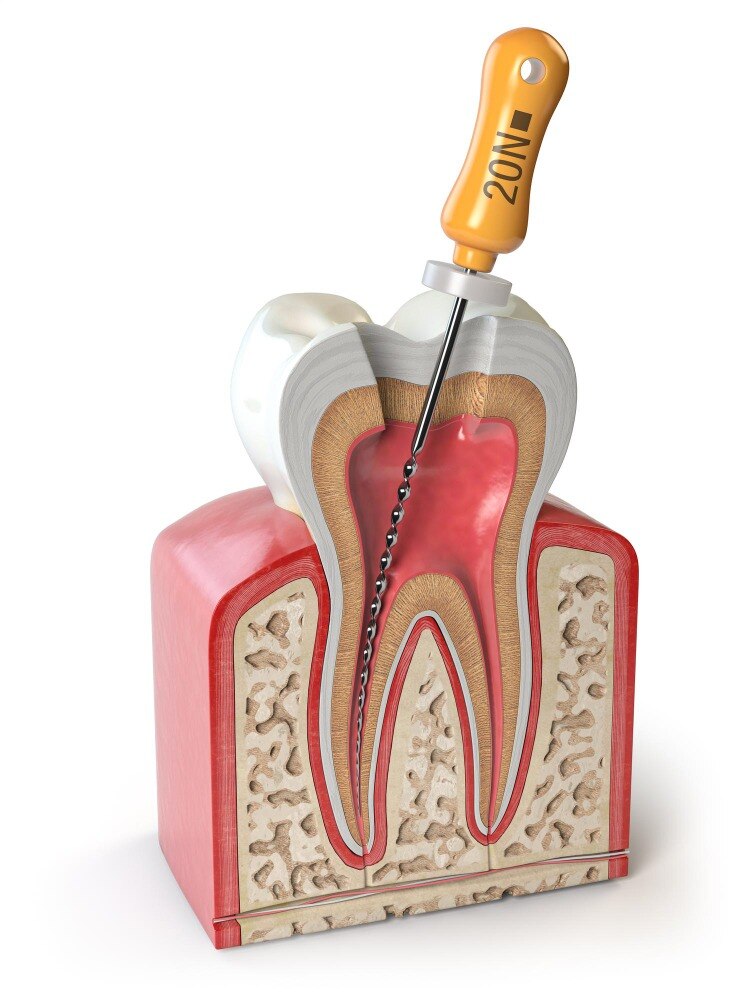
Severe tooth pain does not always mean you need a root canal, but throbbing pain, lingering hot or cold sensitivity, swelling and pain on biting deserve prompt assessment. You will learn how to identify warning signs, understand how the diagnosis is confirmed, know what painless treatment feels like, and choose the right next step near Wakad.
Key takeaways
- Arrange same-day care for lingering heat or cold pain, swelling, or pain while biting.
- A dentist confirms root canal need with an examination, pulp tests, and dental X-rays.
- Local anaesthetic should prevent sharp pain; you may feel pressure and vibration.
- Seek urgent follow-up for increasing swelling, fever, severe pain, or a loose temporary filling.
Does severe toothache need same-day dental care or emergency treatment?
Arrange a same-day dental examination for spontaneous throbbing pain, hot or cold pain that lingers, pain while biting, a cracked or darkening tooth, a draining gum pimple, bad taste, gum swelling or facial swelling.
Severe pain alone does not prove that you need a root canal: reversible pulpitis, a cracked tooth, periodontal disease, a loose restoration, traumatic biting and non-dental pain can feel similar.
| Situation | What to do | Why it matters |
|---|---|---|
| Urgent dental care | Book a same-day examination | The dentist must identify the responsible tooth and decide whether you need drainage, a pulpotomy, root-canal treatment or extraction. |
| Emergency medical attention | Seek immediate assessment for facial or neck swelling spreading toward the eye, fever with rapidly increasing swelling, malaise, difficulty swallowing, drooling, difficulty breathing or inability to open your mouth normally | A spreading infection can threaten the airway and needs medical management. |
Urgent root canal treatment in Wakad begins with an examination, not an automatic same-day procedure. A toothache root canal clinic in Wakad should confirm that the tooth is restorable before treatment.
Antibiotics do not remove infected pulp and are not a substitute for dental treatment; they become relevant when fever, malaise or spreading infection is present, or when immediate source control is not possible.
How does a dentist confirm that a root canal is actually needed?
1. The dentist first records when the pain starts, what triggers it and how long it lasts. Spontaneous pain, or pain that lingers after hot or cold stimulation, points toward irreversible pulpitis after cracks, loose restorations, periodontal disease and other causes are excluded. A brief cold response can fit reversible inflammation.
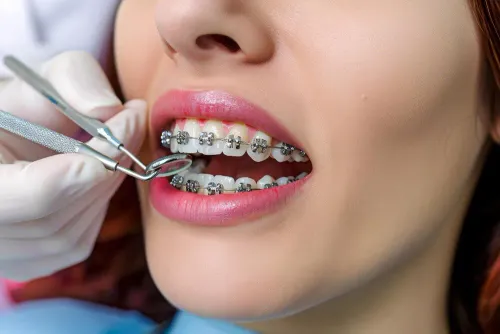
2. The dentist examines the painful tooth and nearby teeth, because pain can be referred. The assessment includes tapping for percussion sensitivity, pressing the gum for palpation, bite testing for cracks or traumatic contact, cold or electrical pulp testing, and gum assessment for pockets, swelling or an abscess.
3. Dental X-rays taken at appropriate horizontal angles show roots, bone changes, abscesses, resorption and canal anatomy that a straight image can hide. The dentist also checks for cracks, leakage around a filling or crown, periodontal disease and enough sound tooth structure to support a restoration.
4. The responsible tooth must be identified before treatment begins, and it must be restorable. The treatment may be drainage, a pulpotomy, full root-canal treatment or extraction.
A painless root canal near Wakad still begins with this examination, not an automatic procedure; a root canal dentist for severe tooth pain Wakad patients consult should explain the evidence.
5. Curved or calcified canals, retreatment, resorption, perforation, separated instruments, trauma or proximity to important anatomy can require an endodontist or referral. These problems raise the risk of missed canals, instrument fracture or damage to nearby structures.
What does a painless root canal feel like during treatment?
A painless root canal means sharp pain is blocked, not that every sensation disappears. The dentist injects local anaesthetic, waits for it to work, then checks numbness before drilling. You may still notice pressure, vibration, movement and manipulation.
The dentist places a rubber dam around the tooth to keep saliva away and protect you from swallowing instruments or irrigants. Next comes controlled access, removal of the inflamed or infected pulp, cleaning and shaping of the canals, irrigation, filling of the canal space and sealing of the tooth.
| Measure | Main purpose | What it addresses |
|---|---|---|
| Local anaesthetic and analgesic measures | Control sensation and discomfort | Pain symptoms during or after treatment |
| Canal cleaning, irrigation, filling and sealing | Remove diseased pulp and close the canal space | The infected or inflamed tissue causing the problem |
An acutely inflamed pulp can be harder to numb. If you feel sharp pain, tell the dentist before treatment continues; supplemental injections, intraosseous anaesthesia or another technique can be considered. Pressure is expected. Sharp pain is not something you should tolerate.
If you are seeking a painless root canal near Wakad, ask how numbness will be checked and what happens if it is incomplete.
A root canal dentist for severe tooth pain Wakad patients choose should control symptoms while also treating the source, because anaesthesia does not remove infection and cleaning alone does not replace proper pain control.
How many appointments will treatment take, and how should you choose a dentist?
A root canal often takes one or two appointments, but reserve at least an hour for each and expect longer treatment when the tooth is difficult to access. A front tooth, premolar and molar do not present the same workload.
| Tooth or complication | Likely effect on the plan |
|---|---|
| Front tooth with accessible canal | Often simpler and suitable for one visit |
| Premolar or molar | More canals and difficult angles can require longer or two visits |
| Curved, narrow or calcified canals | Extra time, specialised instruments or endodontist referral |
| Active infection, abscess or drainage | Medication inside the tooth and a later sealing visit may be needed |
| Retreatment, resorption, perforation or a separated instrument | Complex treatment and possible specialist referral |
Before booking urgent root canal treatment in Wakad, ask:
- Who will diagnose the responsible tooth, and will the dentist test nearby teeth?
- Will restorability be checked before treatment, including cracks and remaining sound tooth?
- How will complex anatomy, curved canals or calcification be managed?
- What will happen if the tooth cannot be fully numbed?
- What is the referral threshold, and when will the temporary filling be replaced with the final restoration?
Deshmukh Dental Clinic can be asked to explain the proposed intervention, appointment plan, referral threshold and final restoration for patients in Wakad, Hinjewadi and nearby areas. Choose that explanation over a promise of one-visit or completely sensation-free treatment.
A toothache root canal clinic in Wakad should treat an urgent booking as an examination first, not an automatic same-day procedure.
Related service
Advanced Endodontics (Painless Root Canal) “Say goodbye to root canal anxiety! Our painless root canal treatment, performed with advanced equipment, ensures a comfortable and stress-free... View service → |
What should you expect after a root canal, and when is follow-up urgent?
Lingering numbness, tenderness when biting and soreness around the root can follow treatment while the surrounding tissues settle. These effects should gradually improve, not intensify. Follow your treating dentist’s or pharmacist’s pain-relief advice; the safe medicine and dose depend on your age, medical history, pregnancy status, allergies and existing medicines.
Never place aspirin on the gum or tooth. It can burn the tissue and does not control the infection.
Avoid hard or sticky foods while the tooth has a temporary filling. The root-canal filling is not the final restoration: a bonded core may be needed, and a premolar or molar with substantial tooth loss may need cuspal coverage, such as a crown, to reduce fracture risk.
Delaying that restoration can allow the tooth to crack.
Contact the treating dentist promptly if you have:
- Worsening swelling
- Severe pain that continues beyond the expected recovery period
- A bite that feels high or hits first
- A lost temporary filling
Seek emergency help rather than waiting for a toothache root canal clinic in Wakad if swelling spreads across the face or neck, or if you develop fever, difficulty swallowing or difficulty breathing. These signs can indicate a spreading infection or airway risk.
If you are searching for a painless root canal near Wakad, ask how the clinic will protect the temporary tooth and schedule its definitive restoration.
Frequently asked questions
Does severe toothache need same-day dental care or emergency treatment?
Arrange a same-day dental examination for spontaneous throbbing pain, lingering hot or cold pain, pain while biting, a cracked or darkening tooth, a draining gum pimple, bad taste, gum swelling, or facial swelling. Facial swelling that affects breathing or swallowing requires emergency medical care.
How does a dentist confirm that a root canal is actually needed?
The dentist reviews your symptoms, examines the tooth, tests its response to cold or electrical stimulation, checks for pain on biting, and takes a dental X-ray. These findings help distinguish inflamed or infected pulp from a cracked tooth, decay, gum disease, or referred pain.
What does a painless root canal feel like during treatment?
After local anaesthetic takes effect, you should not feel sharp treatment pain. You may feel pressure, vibration, water, or the dentist working around the tooth. Tell the dentist immediately if you feel pain so more anaesthetic can be given.
How many appointments will treatment take, and how should you choose a dentist?
Treatment can take one or more appointments depending on infection, tooth anatomy, drainage, and whether a crown is needed. Choose a dentist who explains the diagnosis, shows the X-ray, discusses pain control and restoration, and gives clear aftercare instructions.
What should you expect after a root canal, and when is follow-up urgent?
Mild tenderness after treatment is common and should improve. Avoid chewing hard foods on the treated tooth until it has its final restoration. Contact the dentist urgently for worsening pain, increasing swelling, fever, difficulty swallowing or breathing, or a lost temporary filling.
Keywords